


MSME Day and the Importance of Farmer-Owned Rural Enterprises
Micro, Small and Medium Enterprises play a critical role in India's development journey by generating livelihoods, strengthening local economies and creating pathways for inclusive growth.
While MSMEs are often associated with manufacturing clusters and urban entrepreneurship, many of the most significant enterprise transformations are taking place in rural regions where small producers are working collectively to participate in higher-value segments of agricultural markets.
The tea sector provides an important example of both the opportunities and challenges that characterise rural enterprise development. Across India, small tea growers contribute a substantial share of tea production.

Rural Women Entrepreneurs plucking tea leaves in the Karbi Anglong district of Assam
However, like many smallholder producers in agricultural value chains, they often remain concentrated at the production end of the market while processing, branding, distribution and retail functions are undertaken elsewhere. This structure limits the ability of producers to participate in multiple stages of value creation and capture a greater share of the value generated within the sector.
equifarmtea has emerged from an effort to address these structural realities through collective enterprise development. Working with small tea growers and rural women entrepreneurs in Assam, the initiative is built around the idea that rural producers can strengthen their economic position when they are able to participate not only in cultivation but also in processing, aggregation, packaging, marketing and governance.

equifarmtea products being showcased in the Tea Board of India stall at the 52nd Karbi Youth Festival 2026
This approach reflects a broader understanding within the development sector that strengthening rural livelihoods requires more than increasing production. Smallholder farmers frequently face constraints related to scale, market access, infrastructure, finance, logistics and compliance requirements.
Individually, these challenges can be difficult to overcome. Collective enterprises and producer-owned institutions offer mechanisms through which producers can pool resources, share risks, access markets and engage more effectively with ecosystem stakeholders.
In Karbi Anglong, rural women entrepreneurs have begun participating in decentralised tea processing through cluster-based models that combine local production with collective organisation. The process has created opportunities for women to engage in technical aspects of tea manufacturing while also contributing to decision-making processes related to enterprise operations.

Rural Women Entrepreneurs preparing bio pesticides for chemical-free premium teas
Such participation is significant not only from a livelihood perspective but also because it expands the role of women within local economic systems and strengthens their engagement in value-chain activities that have traditionally remained beyond the reach of small producers.
The relevance of this work lies in the recognition that enterprise development can take many forms. Rural enterprises often emerge through networks of producers, self-help groups, cooperatives, producer companies and community institutions that collectively undertake activities that would not be viable at the individual level.
These forms of enterprise may operate at a smaller scale, but they contribute to employment generation, local value addition and economic resilience in ways that are deeply aligned with the objectives of inclusive development.
For equifarmtea, the long-term vision is rooted in farmer ownership and participation across different stages of the value chain. The objective is not simply to create market access for tea producers but to strengthen systems through which producers can engage more meaningfully in value creation, value sharing and enterprise governance.
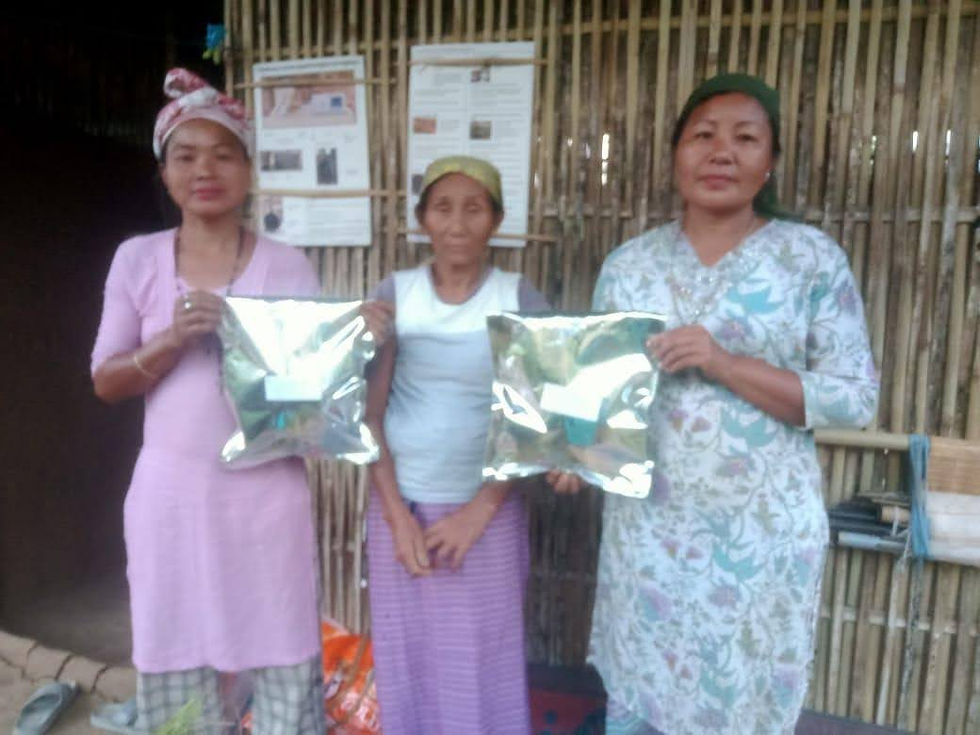
Rural Women Entrepreneurs holding packets of processed tea
As the world marks MSME Day, there is an opportunity to recognise the contribution of rural producer-owned enterprises that are expanding economic opportunities in regions that are often distant from mainstream markets.
Their experiences demonstrate the importance of collective action, local leadership and inclusive enterprise development in building resilient rural economies. They also remind us that the future of MSMEs will be shaped not only by growth in established sectors but by the ability of small producers, women entrepreneurs and community institutions to participate more fully in the opportunities created across value chains.


Comments